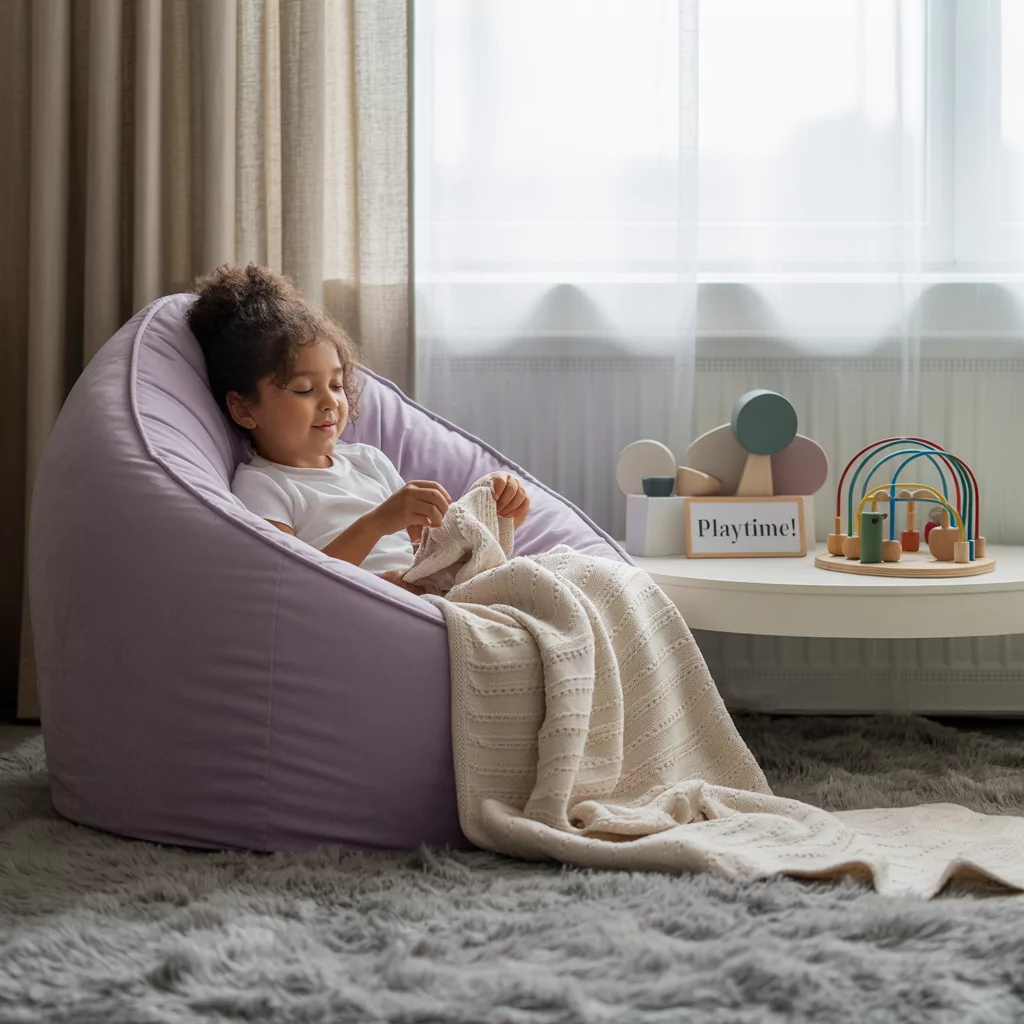
How Parents Choose a Busy Board for an Autistic Child
Choosing a busy board for an autistic child can feel overwhelming. There are many boards on the market, and they differ a lot in size, safety and the kind of activities they offer. We make wooden busy boards in our workshop, and parents often ask us the same questions. This guide sums up what they look for and what we have learned from them.
Why Parents Choose Busy Boards
A busy board gives a child a set of small, hands-on tasks in one place: open a latch, turn a gear, flip a switch, slide a bead. Many autistic children enjoy activities that are predictable and can be repeated as often as they like. A board offers exactly that, at the child’s own pace and without a screen.
Each task also has a clear result. The door opens, the gear turns, the light switch clicks. Children practise finger and hand movements and try out cause and effect while they play. Parents, teachers and therapists decide how a board fits into a child’s day.
What Parents Look For
Safety. Smooth wood, rounded edges, a non-toxic finish and parts that are fixed firmly in place. This matters most for a board a child will use every day.
Familiar objects. Zippers, switches, gears and locks are popular because they mirror real tasks, such as opening a door or fastening clothes.
A calm look. Many families prefer soft or natural colours over bright neon. Our pastel busy board set of 5 panels is one of the designs parents choose most often for this reason.
At Home, in Class and in Therapy
At home, a board is a screen-free activity a child can return to on their own, or explore together with a parent.
In classrooms, wall-mounted boards save floor space and let several children play side by side. Schools that need extra-smooth edges for younger children often choose our rounded sensory wall panels.
Therapists use boards as part of their sessions. Watching how a child approaches each activity also gives them useful information about fine motor skills and problem-solving.
How to Choose the Right Board
Age. Toddlers do best with large, simple features like big latches and switches. Older children can handle gears, combination locks and multi-step tasks.
Sensory preferences. Some children love bright colours and sounds. Others prefer quiet activities and soft tones. Pick a board that matches what your child already enjoys.
The right activities. If you know which activities your child likes, the DIY sensory wall kit lets you put together your own board from 24 panel designs.
Buy or make? A homemade board can be tailored to your child, but every part has to be checked for safety. A ready-made wooden board saves time and is built for daily use.
Final Thoughts
There is no single best busy board for every child. The best one is safe, sturdy and filled with activities your child enjoys returning to. Start with a few familiar mechanisms, watch what your child likes and build from there.
Want more ideas for early learning at home? Read our guide to busy boards for toddlers and preschoolers.